Nutrition
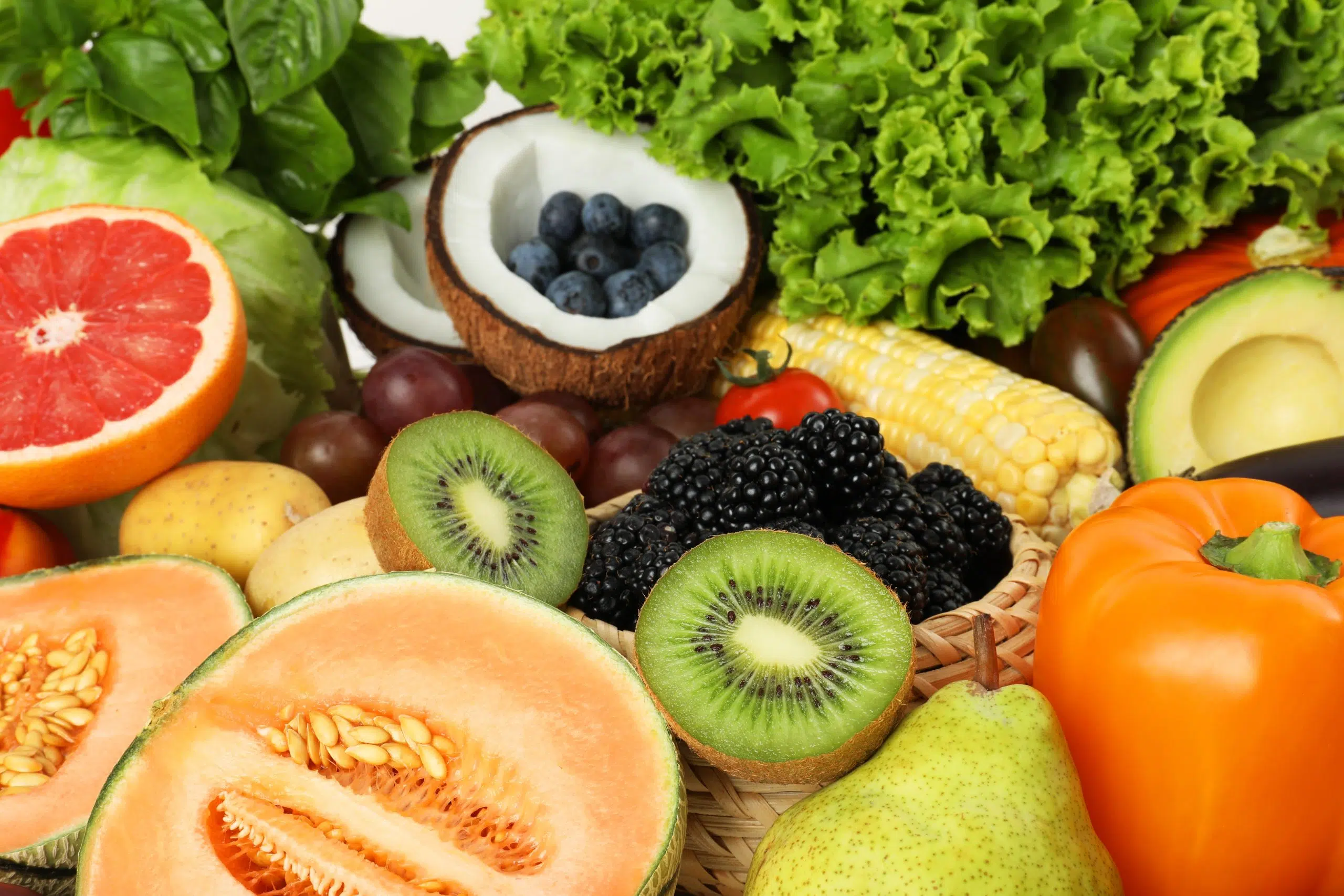
Eating fruit and vegetables every day provides the body with many elements that are essential for its proper functioning, including water, fibre, vitamins, minerals and antioxidants. In these pages, learn more about the nutritional characteristics of fruit and vegetables, their benefits and key nutrients for your health, as well as the key concepts that help explain how fruit and vegetables affect the body.
 Other bioactive compounds
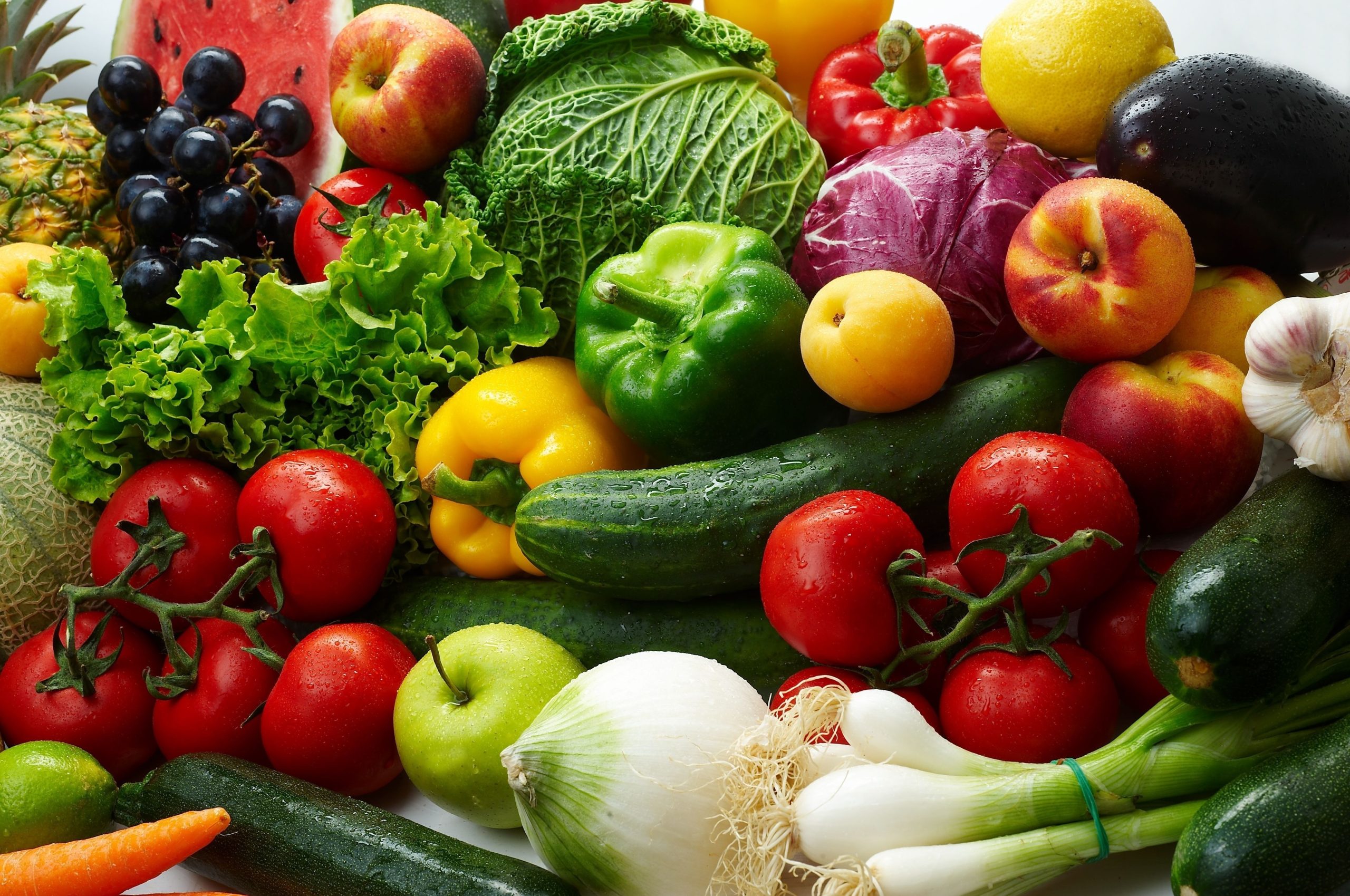
Bioactive compounds comprise a wide range of molecules naturally present in fruit and vegetables. Although not strictly essential in the same way as nutrients, they nevertheless have recognised biological effects: antioxidant activity, modulation of inflammation, cellular protection and regulation of certain metabolic processes. Regular consumption of these compounds, as part [...]
Other bioactive compounds
Bioactive compounds comprise a wide range of molecules naturally present in fruit and vegetables. Although not strictly essential in the same way as nutrients, they nevertheless have recognised biological effects: antioxidant activity, modulation of inflammation, cellular protection and regulation of certain metabolic processes. Regular consumption of these compounds, as part [...]
 Carbohydrates - Fibre
Fruit and vegetables provide simple carbohydrates (glucose, fructose and sucrose) as well as soluble and insoluble dietary fibre. Carbohydrates are the body’s main source of short-term energy, while dietary fibre contributes to the regulation of bowel function, nutrient absorption, blood glucose regulation, and the maintenance of a healthy gut microbiota. [...]
Carbohydrates - Fibre
Fruit and vegetables provide simple carbohydrates (glucose, fructose and sucrose) as well as soluble and insoluble dietary fibre. Carbohydrates are the body’s main source of short-term energy, while dietary fibre contributes to the regulation of bowel function, nutrient absorption, blood glucose regulation, and the maintenance of a healthy gut microbiota. [...]
 Key vitamins provided by fruit and vegetables
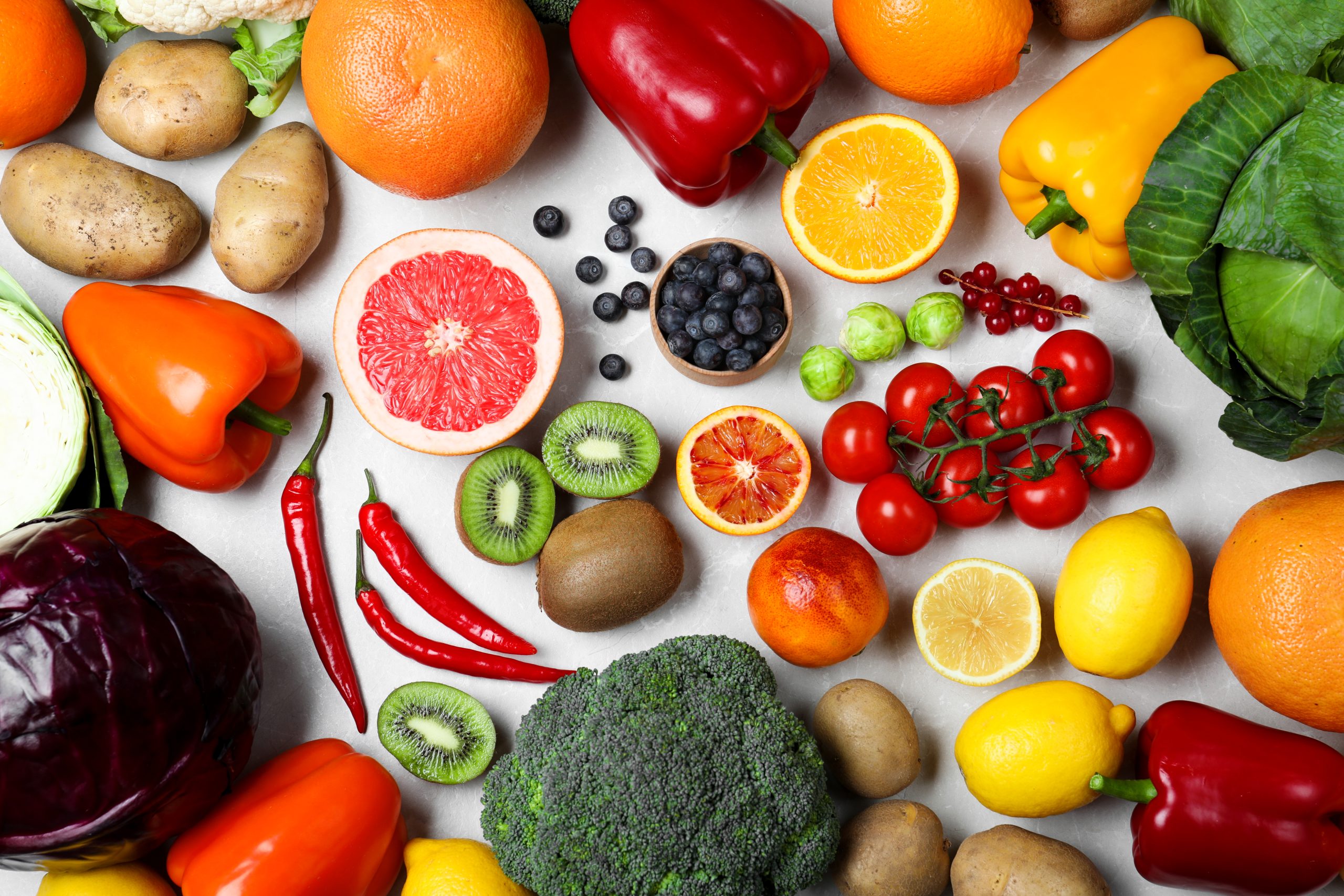
Vitamins are substances that provide no energy, yet are essential for the body. They are involved in many physiological processes. The human body is unable to synthesise most vitamins, except vitamins K and D, and even then only in insufficient amounts. Learn about the main vitamins provided by fruit and [...]
Key vitamins provided by fruit and vegetables
Vitamins are substances that provide no energy, yet are essential for the body. They are involved in many physiological processes. The human body is unable to synthesise most vitamins, except vitamins K and D, and even then only in insufficient amounts. Learn about the main vitamins provided by fruit and [...]