The double-edged influence of social media on eating behaviors
Editorial
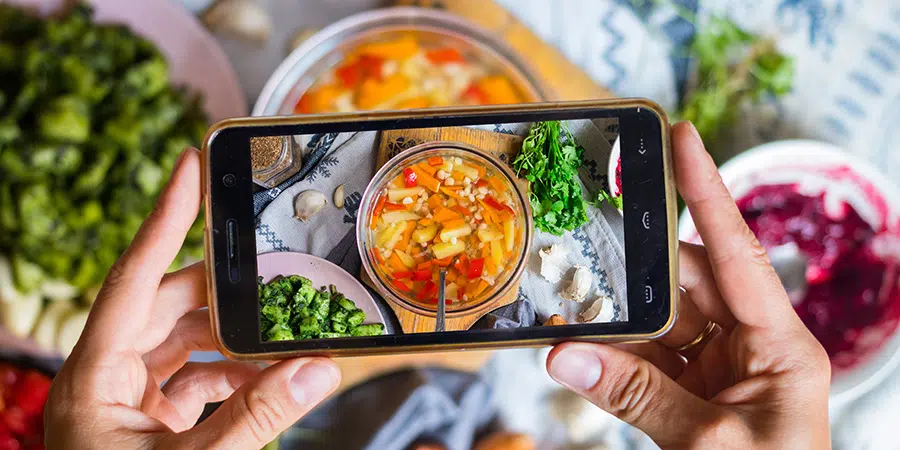
Social media has become an integral part of modern life, with approximately 5.24 billion users worldwide as of January 2025, representing 63.9% of the global population (DataReportal, 2025). Platforms such as Facebook, Instagram, YouTube, and TikTok enable unprecedented connectivity and information sharing, with users using social media for most aspects of their daily lives, including turning to social media for a sense of connection and belonging (Kim et al., 2016) and for health-related information (Chou et al., 2021). As social media becomes deeply embedded in everyday life, its influence extends beyond communication and information-sharing to shaping users’ behaviors and decision-making processes (Forbes, 2013).
One significant area where this impact is evident is in eating behaviors. Research indicates that exposure to food-related content on social media can increase food cravings and impulsivity, potentially leading to unhealthy eating patterns (Filippone et al., 2022). Additionally, social media platforms often promote unrealistic beauty standards, which can contribute to body dissatisfaction and disordered eating behaviors (Dane & Bhatia, 2023). Conversely, when utilized responsibly and constructively, social media can serve as a powerful tool in fostering positive body image (Korda, & Itani, 2013) and promoting healthy eating, including the consumption of fruits and vegetables (Hsu et al., 2018).
This edition of GFVN presents three articles that showcase different aspects of social media’s impact on eating behaviors. These studies explore both the positive and negative influences of social media, as well as the challenges in regulating food-related digital marketing. By examining these diverse perspectives, it aims at depicting the multifaceted role social media plays in shaping dietary habits and public health outcomes.
The first study discusses the benefits of social media interventions in improving eating behaviors. Hawkins et al., 2024 explored whether social media can be leveraged to increase fruit and vegetable consumption. This pilot intervention study found that targeted health campaigns on social media supported users in adopting healthier eating behaviors, demonstrating the potential of digital platforms as public health tools.
The second study explores the negative impact of social media on eating behaviors. Griffiths et al., 2024 examined the impact of TikTok’s algorithm on individuals with eating disorders. The study found that TikTok’s personalized content delivery increased exposure to harmful dietary behaviors, reinforcing disordered eating symptoms among vulnerable individuals. These findings suggest that algorithm-driven exposure may contribute to unhealthy eating habits and necessitate stricter regulation.
The third publication focuses precisely on the difficulties of regulating digital marketing of the food industry. A recent report by the World Health Organization (2024) outlines the challenges in restricting and monitoring food advertising in social media, including influencer promotions. The report underscores the need for stringent policies to limit the exposure of unhealthy food marketing and outlines recommendations for public actors to surpass these challenges.
Together, these three articles highlight the dual influence of social media on eating behaviors – its potential as a public health tool to encourage healthier eating habits, its risks in promoting harmful dietary patterns, and the pressing need for effective regulatory measures to mitigate these negative effects.

Clémentine Hugol-Gential is a professor of Information and Communication Sciences at the University of Burgundy, France, specializing in food communication. Her research focuses on communication, food and society. At the CIMEOS laboratory, she is developing an approach to food communication that aims to understand how food discourse influences our social representations and behaviors. Her recent research focuses on the role of social networks in the perception of body and food standards. At the end of 2024, she published a book for the general public entitled “Corps, alimentation et réseaux sociaux”, published by Editions Le Murmure.