Global F&V Newsletter
The Global Fruit and Veg Newsletter (GFVN) is a monthly newsletter published since 2006 * throughout more than 30 countries involved in the promotion of fruit and vegetables consumption worldwide to improve public health. The articles published are scientifically based and come from the literature review. Doing so allows us to disseminate the scientific knowledge outside the box and share the work with more than 10 000 readers from other disciplines (Scientists, health professionals, fruit and vegetable professionals, consumer associations, journalists and general public).
*GFVN replaces the Ifava Scientific Newsletter
Carbohydrates: how to assess their quality in the diet?
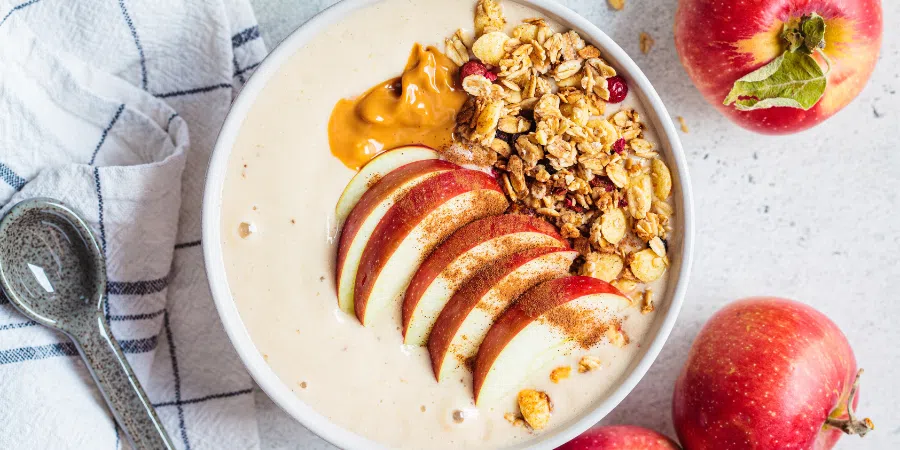
Dietary carbohydrates are the main source of energy, accounting for 55 to 80% of our daily energy; There is a wide variety of carbohydrates, which are metabolised by different metabolic pathways and, therefore, have different effects on the body.
Food insecurity: designing multi-component approaches to meet individual needs
Exacerbated by conflicts, economic crises, and climate disasters, food insecurity represents a major challenge in terms of social justice and public health. According to the 2019 FAO's State of Food Insecurity in the World report, 2 billion people did not have regular access to safe, nutritious, and sufficient food.
Towards local food systems: what do we know concerning facilitators & obstacles?
Global population growth, increasing urbanization and climate change are placing enormous pressure on food systems worldwide (Nyström et al., 2019). As set by the Sustainable Development Goals, the equation we need to solve is ensuring consumer access to safe, nutritious food, improving the remuneration of farmers and food chain players, while preserving natural resources and [...]
A healthier diet, more physical activity, less sedentary lifestyle and adequate sleep: implementing healthier lifestyles among young adults
Over the last decades, the impact of diet on health has been the subject of extensive research, and the conclusions are clear: a healthy diet - and more broadly, a healthy lifestyle - reduces the risk of non-communicable diseases (WHO, 2023). Despite this consensus, there is still room for improvement in Europeans' eating habits. Daily [...]
Encouraging healthier food choices: the role of public policies targeting the consumer
The nutrition transition has led to a relative shift in public health issues (Bodirsky, 2020).
Type 2 diabetes: how could our lifestyle prevent the risk?
Many factors influence the development of type 2 diabetes, the most important of which are lifestyle behaviours: poor-quality diet, low levels of physical activity, overweight, obesity and smoking.
Polyphenols: components of fruit and vegetables with multiple health benefits
Polyphenols, such as flavonoids, phenolic acids, stilbenes and lignans, are bioactive compounds exclusively found in plant food and beverages. These substances have been of great interest over these last years based on the growing scientific evidence of their contribution to the benefit of their food sources consumption for human health.