Global F&V Newsletter
The Global Fruit and Veg Newsletter (GFVN) is a monthly newsletter published since 2006 * throughout more than 30 countries involved in the promotion of fruit and vegetables consumption worldwide to improve public health. The articles published are scientifically based and come from the literature review. Doing so allows us to disseminate the scientific knowledge outside the box and share the work with more than 10 000 readers from other disciplines (Scientists, health professionals, fruit and vegetable professionals, consumer associations, journalists and general public).
*GFVN replaces the Ifava Scientific Newsletter
Soil, plants, animals, and human microbiota, what do they have to teach us?
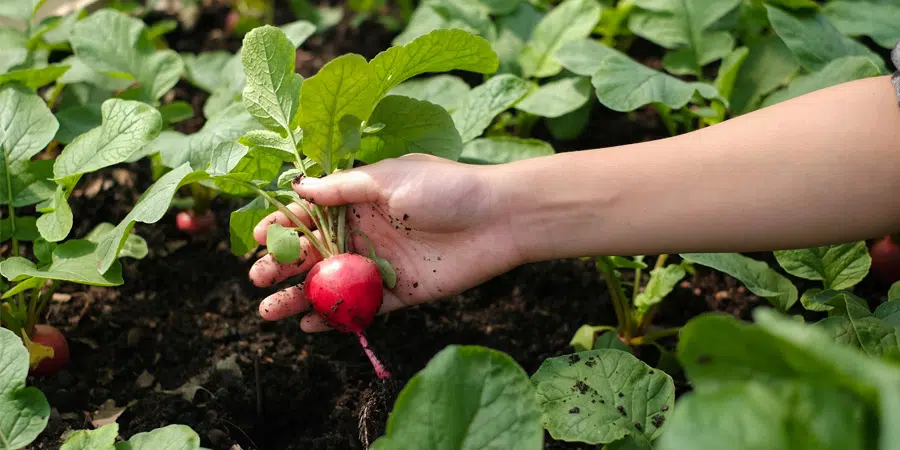
Soil, plants, animals, and humans share microorganisms as different as viruses, bacteria, archaea, fungi, and protists, at a high taxonomic and functional levels. All these taxa and functions form specific communities called microbiota that play a crucial role contributing to health of humans and ecosystems.
Food behaviors, movement behaviors and sleep: what links?
Our lifestyles, i.e., diet, physical activity, sedentary behaviors and sleep, have long been known to have a direct impact on our physical and mental health. Indeed, physical inactivity, sedentary time and unhealthy diets figure among the four major risk factors of noncommunicable diseases responsible for 74% of all deaths worldwide.
Does plant-based necessarily mean healthy and sustainable?
As the Intergovernmental Panel on Climate Change recalls, diets based mostly on plant foods provide both health and environmental benefits. This statement especially applies to diets that are diversified, rich in raw products, consisted mainly of whole grains, fruit and vegetables, legumes, and nuts. However, a plant-based diet is not necessarily healthy.
One Health - a concept considered as the fundamental basis for society's health problems
The “One health” is a new, rapidly developing scientific research stream that examines the interconnections between human, animal, and environmental health in a multidisciplinary approach.
Preventing Childhood Obesity : From feeding pratices to dietary recommendations
Obesity is a multifactorial chronic disease with many interacting determinants. In 2016, overweight (including obesity) affected 18% of children worldwide (WHO, 2021). Facing this epidemic, the European Childhood Obesity Group (ECOG) brings together various experts from across the board dealing with childhood obesity and overweight to fully understand the health, social, psychological, and economic impacts [...]
WIC Program : almost 50 years of promoting the health of low-income families
As the global community continued to grapple with COVID-19, the United States (US) faced additional complications unique to the nation. In addition to the continued pandemic, the US was dealt a major blow with a nationwide infant formula shortage.
Diet and environmental impact : climate, water footprints, and biodiversity
If you want to do something for mitigating climate change, furthering a more efficient water use and strengthening biodiversity, eat healthier by consuming more fruits and vegetables!