Nutrition
Polyphenols
Polyphenols are among the most important bioactive compounds found in fruit and vegetables. This large class of substances, with varied chemical structures, is associated with multiple human health benefits. Here are some explanations and tips on how to optimise your polyphenol intake.
Polyphenols are bioactive substances found exclusively in plant-based foods. Several types of polyphenols have been identified in recent years, each with a unique chemical structure and specific biological properties:
- Flavonoids, a major class of polyphenols, include various sub-types (Panche et al., 2016):
- Flavones including luteolin (the most widely studied flavone compound), which is mainly found in celery and broccoli;
- Flavonols, the best-studied representatives of which are quercetin and kaempferol, which are primarily found in onions, curly kale, lettuce, tomatoes, apples and berries;
- Flavanones such as naringenin, found in grapes;
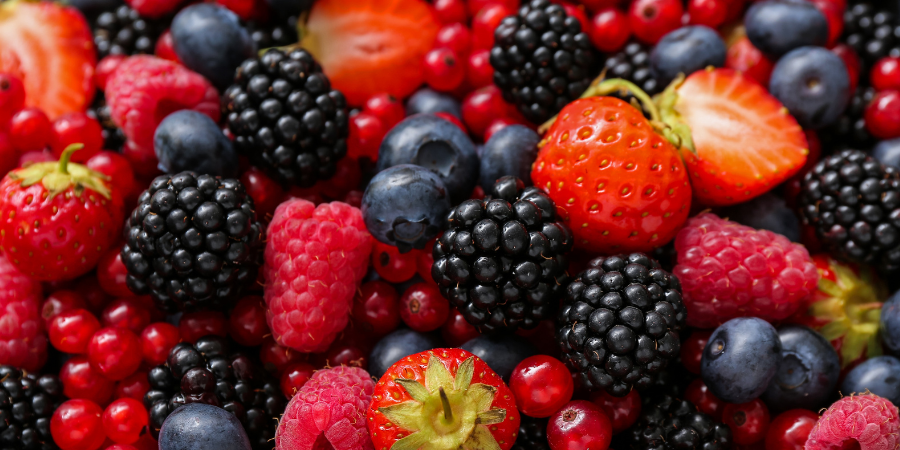
- Anthocyanins (with cyanidin and delphinidin being the most extensively studied), which are mainly found in the outer part of red fruits such as raspberries, blackcurrants and redcurrants.
- Stilbenoids, another major class, of which resveratrol (found mainly in grapes, berries and walnuts) is the most widely studied representative.
- Phenolic acids, including caffeic acid and rosmarinic acid, as well as tannins, which are found in tea and wine.
- Ellagitannins, found in berries and nuts.
Polyphenols: bioactive compounds with multiple health benefits
Through the various mechanisms involved in their absorption and metabolism, polyphenols have multiple health benefits on account of their antioxidant properties and their ability to regulate key metabolic pathways. They protect against non-communicable diseases such as obesity, diabetes, cancer and cardiovascular disease (Maurya et al., 2020).
The consumption of polyphenols, and flavonoids in particular, is thought to be associated with a reduced risk of type 2 diabetes in women and in people who eat a diet high in fruit. These effects may be due not only to the antioxidant activity of flavonoids, but also to their involvement in carbohydrate metabolism and insulin secretion (Woo et al., 2024, Parmenter et al., 2025).
Polyphenols may also play a role in preventing colorectal cancer, by regulating key metabolic pathways that drive its activity (Delgado-Gonzalez et al., 2023).
Research also highlights the role of polyphenols in modulating the composition and function of the gut microbiota. This relationship is mutually beneficial, as the gut microbiota is also involved in the absorption and activity of phenolic compounds (Shabbir U et al.). More broadly, the consumption of polyphenols is associated with better gut health.
Moreover, thanks to their antioxidant properties and interactions with the microbiota, these bioactive compounds may help protect against cardiometabolic disorders (Shabbir U et al.).
In addition to these benefits, polyphenols – including flavonoids – play an important role in preventing cognitive decline, with the consumption of red fruits having a particularly beneficial effect (Cheng et al., 2022), and in supporting mental health. According to several studies, the consumption of foods high in flavonoids (blueberries) improves positive affect (Khalid et al., 2017).
Fruit and vegetables; the main sources of polyphenols
Fruit and vegetables are the main dietary sources of polyphenols, especially flavonoids. Red and black fruits, such as blueberries, blackberries, raspberries and black grapes, are particularly high in anthocyanins. The vegetables highest in flavonoids include red onions, red cabbage and artichokes (Phenol-Explorer).
The bioavailability of polyphenols – i.e. their ability to be absorbed and used by the body – is generally better when the food matrix is preserved. Eating whole foods promotes the absorption of these polyphenols thanks to the presence of nutritional cofactors, such as certain carbohydrates (Petersen et al., 2016; Burak et al. 2015).
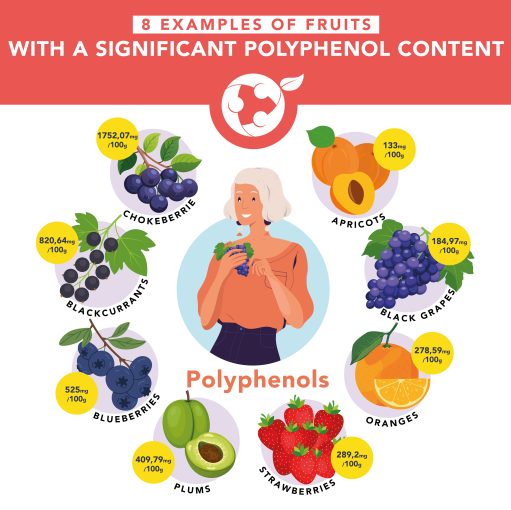
In addition to fruit and vegetables, other foods such as tea, coffee and chocolate also significantly contribute to polyphenol intakes (Kumar et al, 2013).
Polyphenols: no official recommendations, but healthy habits can help
There are currently no official recommendations for polyphenol intake, due to the wide variety of these compounds and the fact that their absorption varies from one individual to the next. However, following some general guidelines – particularly eating at least five portions of fruit and vegetables a day – can help ensure a beneficial intake of polyphenols. The consumption of red fruits is particularly recommended.