Key vitamins provided by fruit and vegetables
Vitamin A
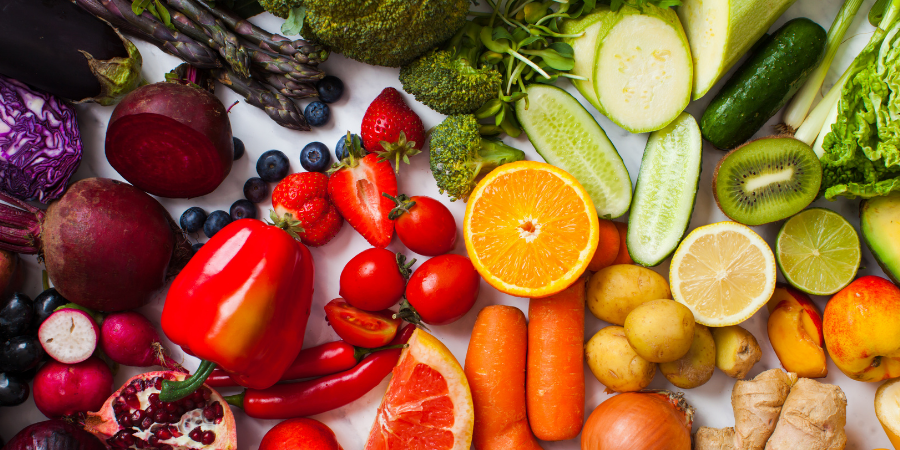
As it plays a role in many functions of the body, such as vision and the regulation of gene expression, Vitamin A is essential for good health throughout life. Fruit and vegetables, particularly yellow or green ones, are the food groups that contribute most to vitamin A intake.
Vitamin A : a key role in many functions of the body
The term vitamin A refers to a group of substances and their derivatives that share a similar chemical structure and biological characteristics (ANSES, 2013). They include:
- Retinol, which is the precursor of the active form of vitamin A and can be directly assimilated by the body;
- Carotenoids or provitamins A, primarily beta-carotene, which are plant pigments converted into retinol in the intestine.
Vitamin A plays a vital role and is recognised as being essential in the mechanism of vision, particularly the functioning of the retina.
It also plays a part in the regulation of gene expression, and is thus involved in many functions of the body such as embryonic development, cell growth, tissue renewal and the normal functioning of the immune system (ANSES, 2013).
Carotenoids, particularly beta-carotene, are powerful antioxidants and therefore protect cells from premature ageing (ANSES, 2013).
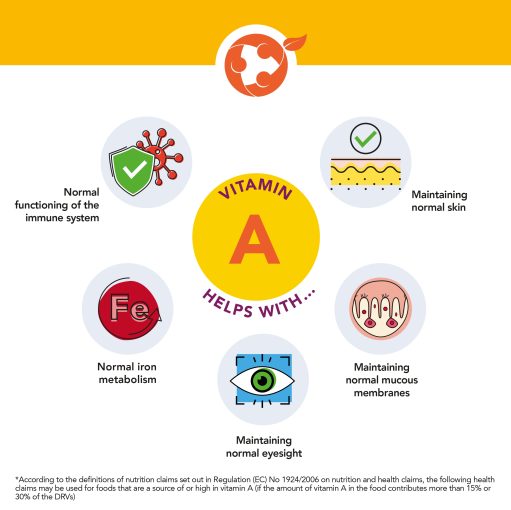
Figure 1 : Health claims relating to vitamin A (according to ANSES, 2019)
Vitamin A : needs that increase throughout life
Vitamin A is available in food in the form of retinol and/or provitamin A (such as beta-carotene), which the body can convert into retinol. The dietary reference values for vitamin A are therefore expressed as retinol equivalent to take account of the vitamin activity associated with this conversion. For example: 1 μg of beta-carotene is equivalent to 1/12 μg of retinol equivalent.
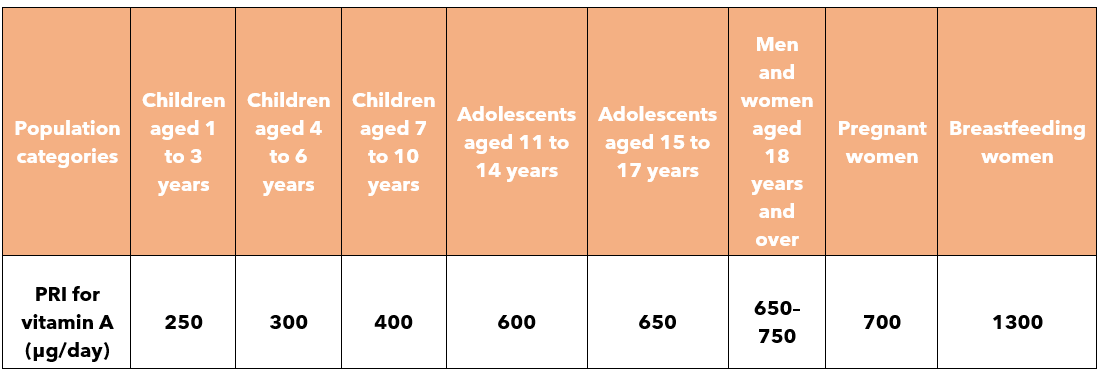
In adults, the dietary reference values for vitamin A are 750 μg retinol equivalent/day for men and 650 μg retinol equivalent/day for women (ANSES, 2021).
The highest values are observed for breastfeeding women as they need to compensate for the loss of vitamin A through breast milk (see Table 1).
Table 1 : Population reference intake (PRI) for vitamin A
Vitamin A, found in foods of both animal and plant origin
Vitamin A is found in retinol form in foods of animal origin such as fish liver oils and liver from farmed animals. It is also found in butter, fresh cream, cheese and egg yolks.
Provitamins A – particularly beta-carotene – are found in plants, particularly those ranging in colour from orange to green (ANSES, 2013). Vegetables are the main dietary sources of beta-carotene, contributing between 42 and 48% depending on age group. For example, carrots provide 1489 μg retinol equivalent per 100 g and melon 417 μg retinol equivalent per 100 g.
Fresh and dried fruit, as well as soups and broths, are secondary sources of intake.
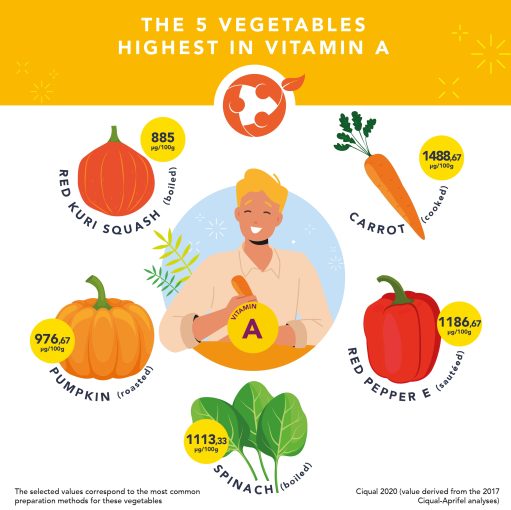
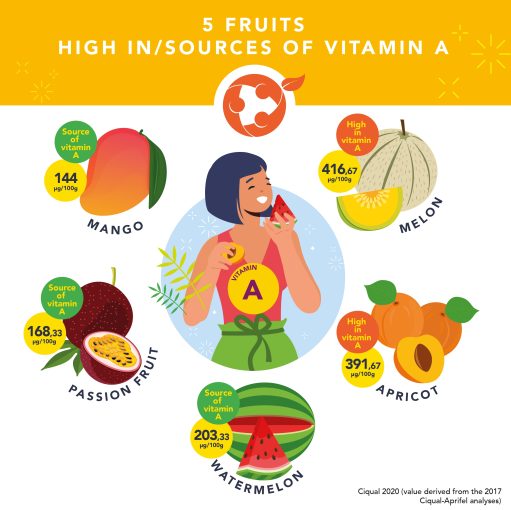
Figure 2 : Top 5 fruit and vegetables sources of vitamin A (Vitamin A equivalence values, calculated as provitamin A (beta-carotene)/6)
Vitamin A deficiencies are relatively rare in industrialised countries
Vitamin A deficiency mainly manifests as a decrease in visual acuity, particularly in low light. This can lead to blindness in cases of severe deficiency. Although it is rare in industrialised countries, vitamin A deficiency remains responsible for major public health problems in the developing world. In vulnerable populations such as children and the elderly, vitamin A deficiency can be a cause for concern (ANSES, 2012).
Conversely, in women who are or wish to become pregnant, an excess of vitamin A must be treated with the utmost caution as it is linked to birth defects (ANSES, 2012). To avoid excessive vitamin A intake, pregnant women should not eat liver due to its high concentration of retinol that can be directly assimilated by the body. On the other hand, provitamin A intake from fruit and vegetables does not pose any risk.
To preserve vitamin A, protect it from light and heat
In beta-carotene form, vitamin A can lose its activity, mainly when food is stored or dried. In particular, it may lose its activity and be destroyed by air oxidation (rancidity), especially in the presence of light and heat.
Conversely, vitamin A retains its activity when frozen, and remains relatively stable during cooking, with a loss of around 15% (ANSES, 2012).