Key vitamins provided by fruit and vegetables
Vitamin C
Given its many different roles and its impact on our overall health, vitamin C is particularly important. Found mainly in fruit and vegetables, this water-soluble vitamin cannot be stored by the body, so must be obtained regularly through the diet.
Vitamin C : many essential roles in the body
Vitamin C – or ascorbic acid – is a powerful antioxidant that helps to protect cells from oxidative stress and thus prevent premature ageing. In particular, it acts in synergy with other compounds such as vitamin E, beta-carotene and selenium (Grosso, 2013; HAS, 2018).
Vitamin C is also known for its important role in the functioning of immune defences. In particular, it plays a role in the renewal of white blood cells and helps to reduce fatigue (Maggini, 2007; HAS, 2018; Tardy, 2019).
It also contributes to the formation and consolidation of collagen fibres. This is the most abundant protein in the body and makes up connective tissues such as skin, tendons, cartilage and ligaments (Grosso, 2013).
Lastly, vitamin C helps to promote iron absorption and uptake, particularly from plant sources – non-haem iron (ANSES, 2019).
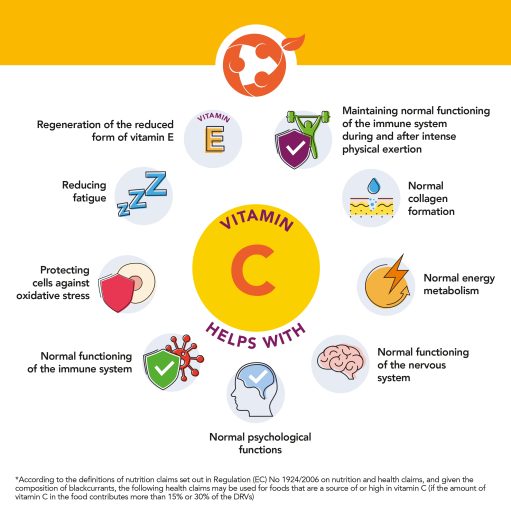
Figure 1: Main health claims for vitamin C (according to ANSES, 2019)
Vitamin C : needs that increase throughout life
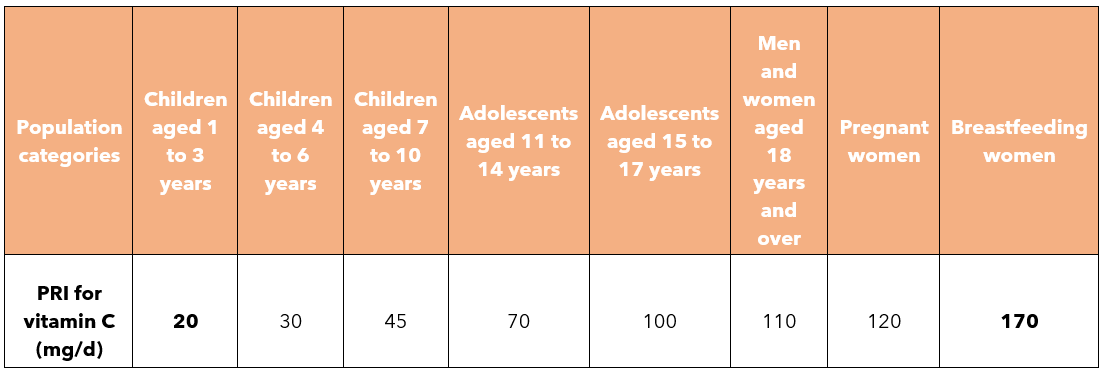
According to the most recent update from ANSES, the dietary reference values set for vitamin C are around 110 mg per day for an adult. Values vary according to gender and age, but also depending on physical activity and physiological state (see Table 1 below). Breastfeeding women are the population with the greatest needs (ANSES, 2021). Vitamin C needs are also increased in certain physiological situations (pregnancy, breastfeeding, growth) and health conditions (such as infections, type 1 diabetes, patients on haemodialysis or peritoneal dialysis), as well as in people suffering from addiction (alcoholism, smoking, etc.) (HAS, 2018).
Table 1: Population reference intake (PRI) for vitamin C
Fruit and vegetables, the main sources of vitamin C intake
As the body is unable to synthesise or store vitamin C, regular intake through the diet is necessary. The main dietary sources of vitamin C are fruit, fruit juices and vegetables (ANSES, 2019).
The fruit and vegetables highest in vitamin C are blackcurrants (181 mg/100g), red peppers and yellow peppers (121 mg/100g), kiwi fruit (81.9 mg/100g), green cabbage (69 mg/100g), mangetout (60 mg/100g) and clementines (49.2 mg/100g).
In France, among children, adolescents and adults, fruit and vegetables and derived products (soups, compotes, fruit juices, etc.) are the main sources of vitamin C intake: between 65% and 76% depending on age group. Dairy products and cereals fortified with vitamin C are secondary sources of intake (ANSES, 2017).
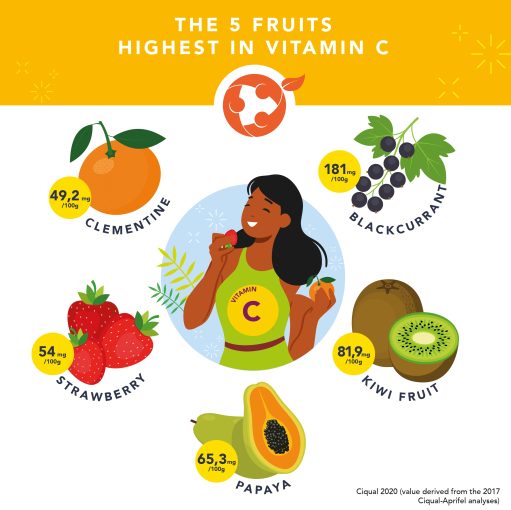
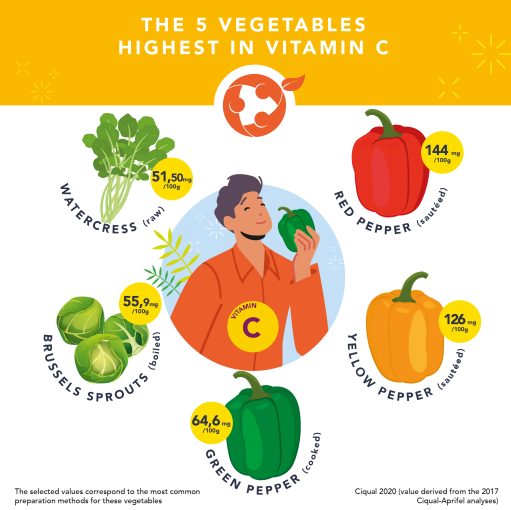
Figure 2: Fruit and vegetables source of vitamin C
Vitamin C needs can be met through a healthy, varied diet
Vitamin C needs can be met through a healthy diet high in fruit and vegetables (at least 5 servings a day) (ANSES, 2019).
In cases of mild deficiency, symptoms generally include fatigue and a loss of appetite. Vitamin C deficiency remains very rare nowadays but can be observed in certain parts of the world, particularly in countries with high levels of food insecurity. If it is severe, it can lead to scurvy, a disease characterised by skin symptoms, haemorrhage and oedema (HAS, 2018)
Less common, an excess of vitamin C can cause diarrhoea and stomach ache, and increase the risk of kidney stones (ANSES, 2019).
Vitamin C, a sensitive vitamin that needs protecting
Vitamin C is particularly sensitive to water, heat, air and light. Cooking food gradually destroys it.
To preserve the vitamin C content of fruit and vegetables:
- Opt for brief cooking at a low temperature with little or no water: pan-frying, braising,
- Avoid cooking in a large volume of water,
- Foods high in vitamin C should preferably be eaten raw: vegetables in salads, on their own or sliced; fruit eaten whole or in wedges,
- Consume food as soon as it has been prepared: grated carrots, home-made fruit juice
- Boost intake by adding a squeeze of lemon juice to salads or fish just before serving