Key vitamins provided by fruit and vegetables
Vitamin B1
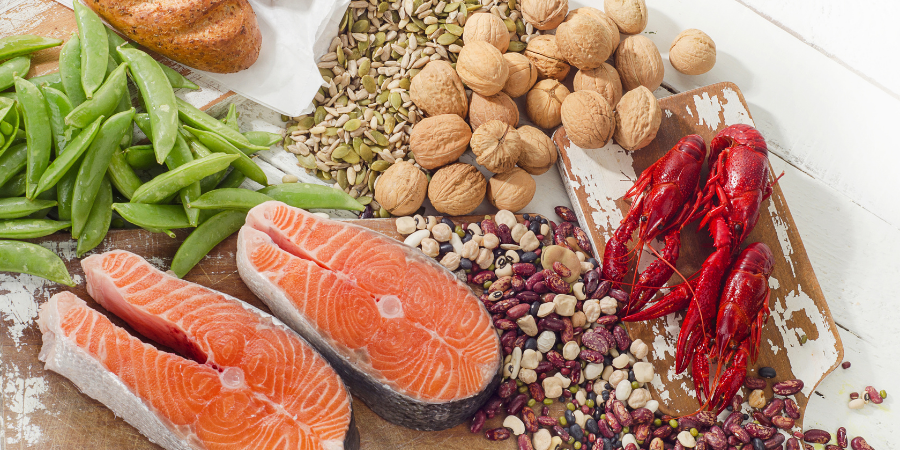
Vitamin B1, essential for energy metabolism
Vitamin B1, also known as thiamine, is essential for many physiological functions. In particular, it is involved in carbohydrate metabolism and contributes to normal energy metabolism (ANSES, 2021, Calderon-Ospina, 2020).
Vitamin B1 also plays a role in the synthesis of myelin and several neurotransmitters such as acetylcholine, serotonin and certain amino acids (Calderon-Ospina, 2020).
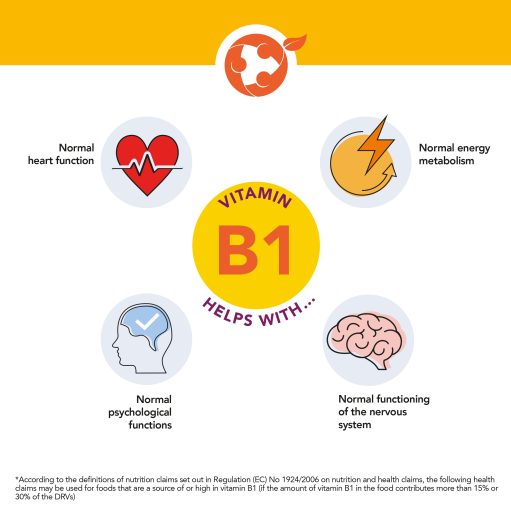
Figure 1 : Main health claims for vitamin B1 (according to ANSES, 2019)
Needs that are constant throughout life
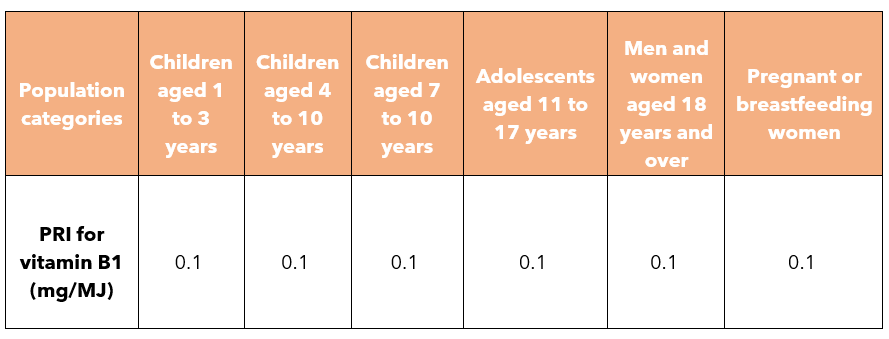
As vitamin B1 is involved in carbohydrate metabolism, its activity depends on carbohydrate intake. The dietary reference values for thiamine are therefore expressed as mg per megajoule of energy consumed (mg/MJ).
According to the most recent update from ANSES, these reference values have been set at 0.1 mg per megajoule of energy consumed from childhood to adulthood (ANSES, 2021).
Table 1 : Population reference intake (PRI) for vitamin B1
Fruit is the fourth leading source of vitamin B1 intake
The main sources of vitamin B1 intake are cereal products and meat. Thiamine is also found in oilseeds and in certain fruit and vegetables (ANSES, 2021).
A deficiency associated with beriberi
A vitamin B1 deficiency can lead to the development of beriberi, a disease that causes neurological and cardiac symptoms as well as weight loss and severe fatigue (ANSES, 2021).
Vitamin B1 deficiency is rare in industrialised countries. It is common in people whose diet consists mainly of white rice or highly processed carbohydrates, as well as in countries with a high rate of food insecurity (Ferrary, 2019). Vitamin B1 deficiency is not always due to inadequate dietary intake; it may be associated with alcohol consumption or intestinal malabsorption (ANSES, 2021).
Vitamin B1 has low toxicity at high doses (EFSA, 2006). However, pregnant women are advised not to consume more than 3 mg of thiamine per day.