Key vitamins provided by fruit and vegetables
Vitamin B6
Vitamin B6: multiple roles in the body
Vitamin B6 is a water-soluble vitamin found in three main forms that can be converted into one another:
- Pyridoxine, found mainly in plants;
- Pyridoxal, found in foods of animal origin;
- Pyridoxamine, also found in foods of animal origin.
Biologically active forms are ester derivatives, in particular pyridoxal phosphate and pyridoxine phosphate (ANSES, 2021).
Vitamin B6 acts as a coenzyme in more than 150 biochemical reactions and plays a key role in the metabolism of carbohydrates, fats and amino acids, as well as the synthesis of neurotransmitters (Stach, 2021), (ANSES, 2021). It also contributes to the formation of red blood cells and plays a part in the regulation of hormonal activity (EFSA, 2016).
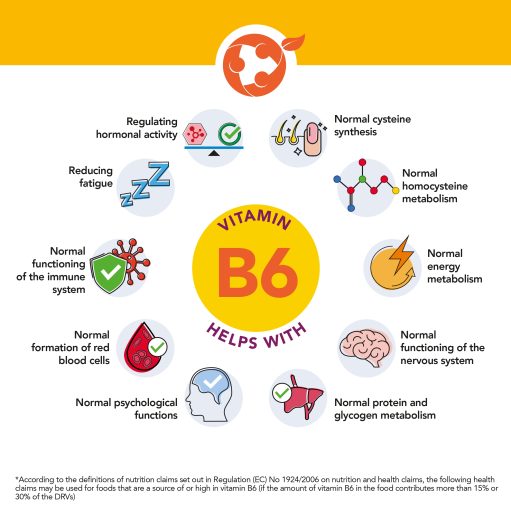
Figure 1 : Main health claims for vitamin B6
Vitamin B6: needs that change throughout life
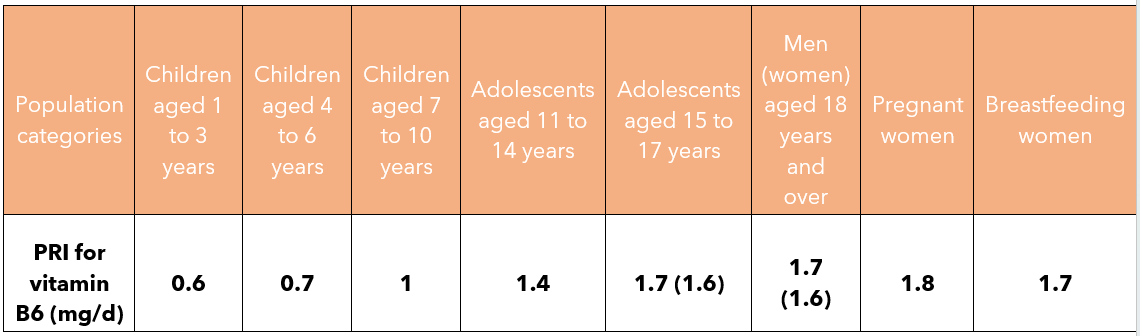
The dietary reference values for vitamin B6, which were updated by ANSES in 2021, are around 1.7 mg per day for an adult. Values vary according to gender and age, but also depending on physical activity and physiological state (see Table 1 below). Pregnant women have the greatest needs (ANSES, 2021).
Table 1 : Population reference intakes (PRI) for vitamin B6
Vitamin B6 : mainly plant-based dietary sources
As the body is unable to synthesise or store vitamin B6, regular intake through the diet is necessary. Vitamin B6 is found in plant-based foods such as cereals, fruits other than citrus and vegetables, as well as in foods of animal origin such as liver (pork, veal, etc.) and fish (ANSES, 2021; EFSA, 2016).
After meat, bread, potatoes and other tubers, fresh and dried fruit and vegetables contribute respectively 5.8% and 7.1% of vitamin B6 intakes in adults. In children, fruit, fruit and vegetable juices, and potatoes, as well as breakfast cereals and cereal bars, contribute equally to vitamin B6 intake.
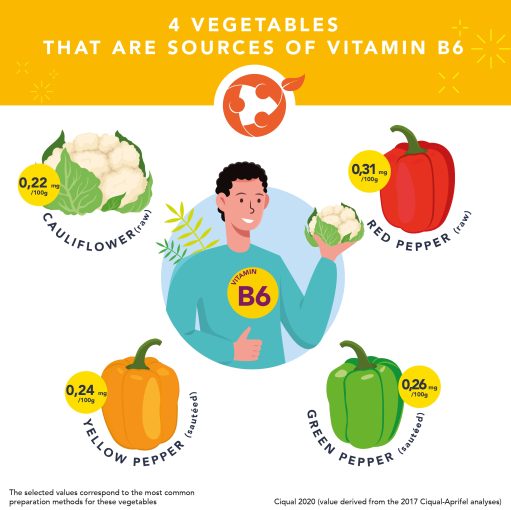
Figure 2 : Top 5 fruit and vegetables sources of vitamin B6
Vitamin B6 : needs met by healthy, varied diet
Vitamin B6 needs can be met through a varied, balanced diet. A vitamin B6 deficiency can cause skin symptoms such as eczema or dermatitis, as well as convulsions (ANSES, 2021). Vitamin B6 deficiency is rare given the many dietary sources.
An excess of vitamin B6 (intake exceeding 25 mg per day) can lead to peripheral neuropathy, which is one of the most common neurological conditions (EFSA, 2016; HAS, 2007). It may cause sensory (e.g. a tingling or prickling feeling) or motor symptoms (e.g. muscle cramps at rest) (HAS, 2007).
Vitamin B6, sensitive to light
Vitamin B6 is water-soluble and fairly heat-resistant but particularly sensitive to light. For storing food, choose places away from direct light (cupboards, drawers, fridges).